Past Exhibitions
-
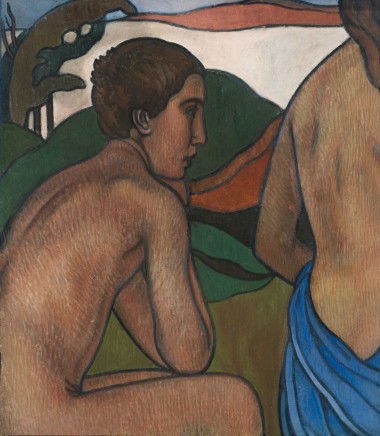
Filiger
Exhibition curated by André Cariou 27 March - 22 June 2019 The gallery Malingue, true to its commitment to the artists of the Pont-Aven School and Paul Gauguin’s entourage, will hold an exhibition of the work of Charles Filiger, an artist... More -
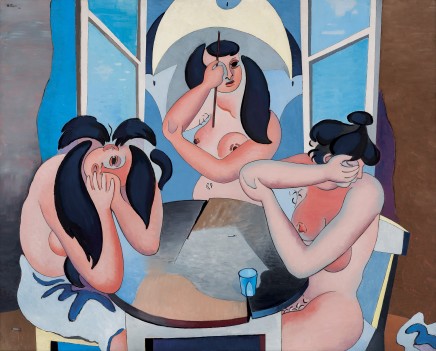
Hélion. The 40's
18 October - 16 December 2017 The Malingue gallery reopens its doors after a six-month closure with a major exhibition (October 18-December 16, 2017) of the work of Jean Hélion from the 1940s. Twenty-five of the... More
-
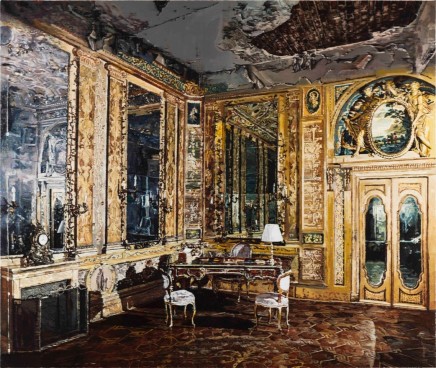
Yuan Yuan. There is no there there
together with Edouard Malingue Gallery, Hong Kong ( images courtesy the artist and Edouard Malingue Gallery) 25 October - 5 December 2015 Malingue Gallery is pleased to present 'There is no there there', the first international solo exhibition of critically acclaimed Chinese painter Yuan Yuan (b. 1973, China), held in collaboration with... More -
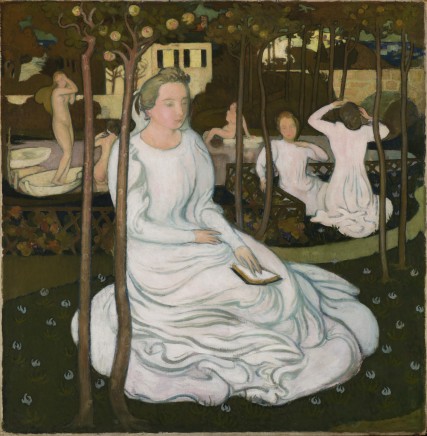
Maurice Denis. Au Temps des Nabis
22 May - 12 July 2015 For several decades the gallery Malingue has had a special link with the Nabis and the artists of the School of Pont-Aven. Their most outstanding works have always been presented... More
-
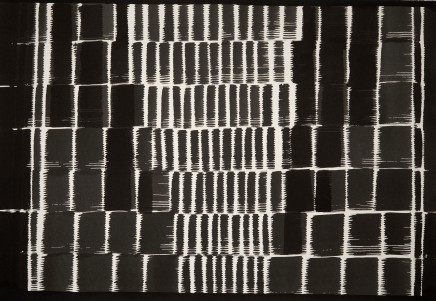
Heinz Mack. Works on paper
28 March - 30 April 2014 The group 'ZERO', founded in Düsseldorf in 1957 by Heinz Mack and Otto Piene, has enjoyed renewed interest for several years. This will be illustrated by the exhibition dedicated to... More -
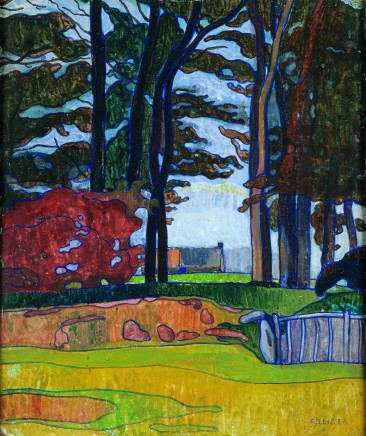
Psychonautes
22 June - 27 July 2013 Artists in the exhibition : Emile Bernard, Maurice Denis, Charles Filiger, Vidya Gastaldon, Georges Lacombe, Paul Ranson, Odilon Redon, Hugues Reip, Paul Sérusier More
-
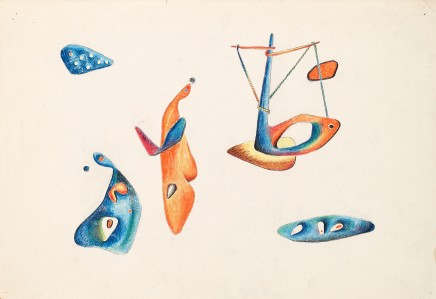
Perspectives atmosphériques
9 April - 5 June 2013 Artists in the exhibition : Hans Arp, Alighiero Boetti, Pierre Bonnard, Alexander Calder, Jean Dubuffet, Max Ernst, Lucio Fontana, Sam Francis, Wassily Kandinsky, Matta, Henri Michaux, Joan Mitchell, Emil Nolde, Francis Picabia, Yves Tanguy, Cy Twombly, Zao Wou-ki More -
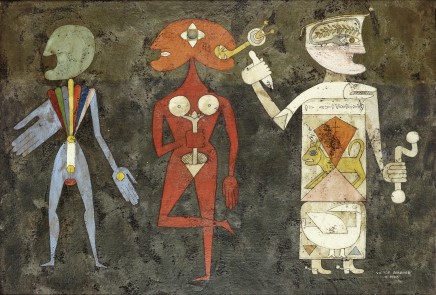
Victor Brauner
18 October - 17 December 2011 For the past few years, the Gallery Malingue has chosen to explore successively, the seductive, dreamlike world of several Surrealist artists (Tanguy, Ernst, Matta) ; then a visual adventure at... More
-
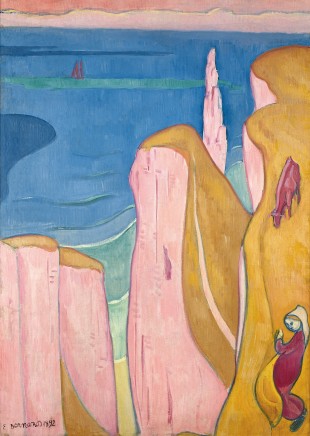
Émile Bernard, époque de Pont-Aven
21 May - 17 July 2010 After several exhibitions devoted to some major Surrealist artists and to a brilliant approach of Fernand Léger's œuvre in 2009, the Malingue gallery has decided this season to come back... More -
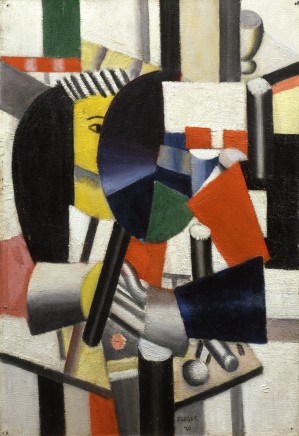
Fernand Léger
14 February - 30 April 2009 During the past few years, the gallery decided to explore successively, through a wealth of retrospective exhibitions, the seductive dream worlds of several surrealist artists (Tanguy, Ernst, Matta) ; a... More
-
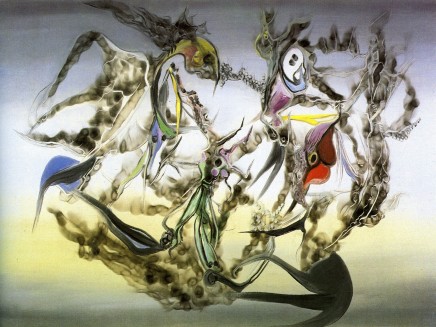
Grands Surréalistes
13 March - 14 June 2008 Artists in the exhibition : Hans Bellmer, Victor Brauner, Salvador Dali, Paul Delvaux, Oscar Dominguez, Max Ernst, Jacques Herold, Wifredo Lam, René Magritte, André Masson, Matta, Joan Miro, Wolfgang Paalen, Francis Picabia, Yves Tanguy, Dorothea Tanning More -
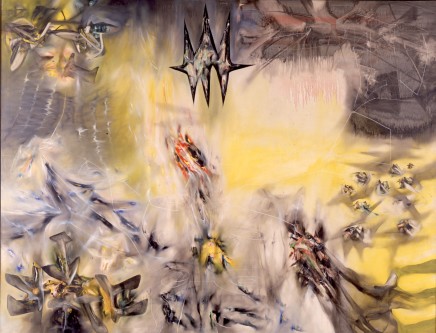
Matta 1936-1944. Début d'un nouveau Monde
19 May - 16 July 2004 «The question is not - to be or not to be. It is to be born from something while giving birth to something else. It is not to create, it... More
-
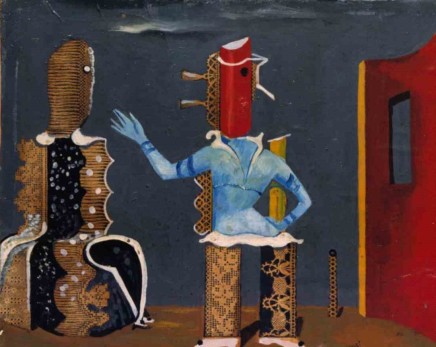
Max Ernst
21 May - 18 July 2003 If there is one artist who defies all classification, it is Max Ernst. A co-founder the Dada movement in Cologne in 1919, he became associated with the future Surrealists... More -
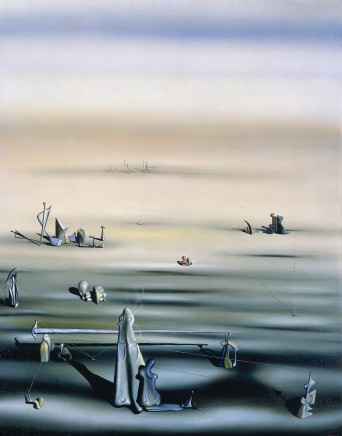
Yves Tanguy
15 May - 12 July 2002 'Yves Tanguy, the painter of terrifying elegance in the air, in the depths of the earth and the seas, the man I regard as the embodiment of the spiritual virtue... More